
Table of Contents
- The Hidden Risks of a Maryland Winter
- Comprehensive Pre-Winter Roof Inspection Checklist
- What Happens During a Professional Inspection?
- DIY Spot Checks vs. Professional Inspections
- Frequently Asked Questions
- Schedule Your Pre-Winter Roof Inspection
The Hidden Risks of a Maryland Winter
Maryland's late-fall climate presents a unique set of challenges for residential roofing systems. The Mid-Atlantic region experiences frequent freeze-thaw cycles, high humidity, tropical storm remnants, and sudden temperature swings.
When trapped moisture inside or underneath shingles freezes, it expands. This expansion widens microscopic cracks, lifts asphalt shingles, and degrades roof integrity before the heaviest snowfalls arrive.
Freeze-Thaw Expansion Cycle:
Trapped Autumn Moisture → Sudden Temperature Drop → Ice Expansion → Lifted Shingles & Structural Leaks
Proactive late-fall maintenance prevents minor structural vulnerabilities from turning into costly mid-winter emergency repairs.
Comprehensive Pre-Winter Roof Inspection Checklist
A thorough roof assessment focuses on four critical areas: shingle integrity, flashing seals, drainage paths, and attic thermal dynamics.
|
Roof Component |
Inspection Focus |
Risk Factor If Ignored
|
|---|---|---|
|
Asphalt Shingles |
Cracking, curling, granule loss, and lifted edges |
Water penetration during freeze-thaw cycles |
|
Step & Pipe Flashing |
Gaps, rust, or degraded sealant around chimneys/vents |
Direct interior leaks into attic and living spaces |
|
Gutters & Downspouts |
Leaf buildup, standing water, and loose fasteners |
Ice damming and heavy gutter detachment |
|
Soffit & Ridge Vents |
Blockages, pest intrusion, and airflow restrictions |
Attic condensation and frost buildup |
|
Attic Decking |
Water stains, daylight gaps, and packed insulation |
Mold growth and structural wood rot |
What Happens During a Professional Inspection?
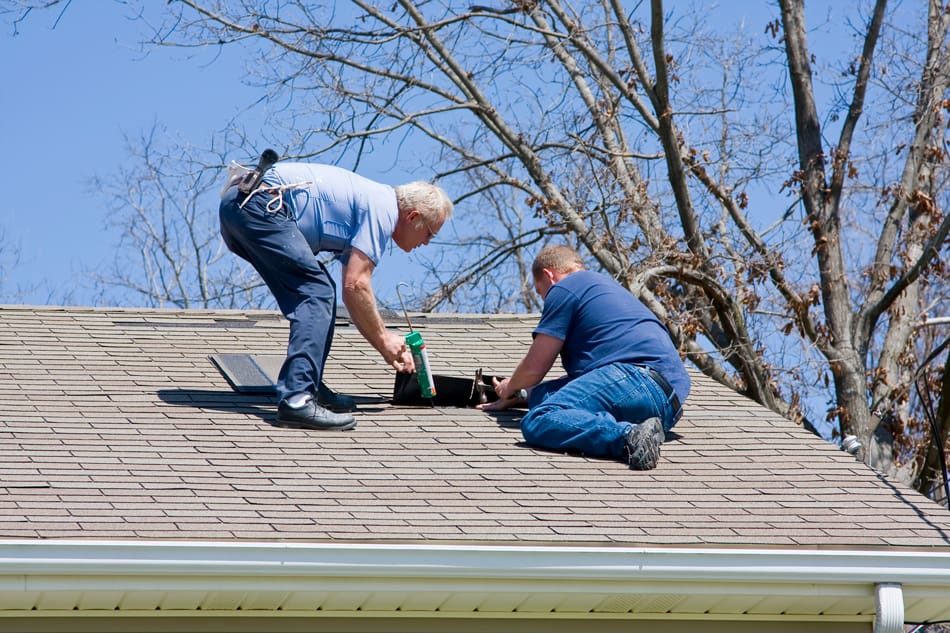
A professional pre-winter roof inspection goes far beyond a quick glance from the driveway. Qualified technicians execute a systematic evaluation using specialized tools to identify hidden moisture and structural weakness.
- Exterior Perimeter & Ground Scan: Visual evaluation of drip edges, fascia boards, downspout drainage efficiency, and fallen granule accumulation.
- On-Roof Surface Audit: Direct physical check of shingle adhesion, seal strips, ridge caps, and valley liners.
- Flashing & Penetration Inspection: Precision check of all step flashing, counter-flashing, pipe boots, and skylight seals.
- Attic & Ventilation Assessment: Interior check for moisture intrusion, thermal bypasses, insulation levels, and unblocked soffit airflow.
- Documentation & Repair Timeline: Delivery of a detailed photographic report categorizing urgent repairs versus preventive maintenance needs.
DIY Spot Checks vs. Professional Inspections
While homeowners can perform basic ground-level observations, professional inspections utilize thermal imaging and structural moisture meters to detect underlying issues.
- Homeowner Spot Check (Ground-Level Visual): Identifies missing shingles, overflowing gutters, and broken downspouts.
- Professional Roof Audit (On-Roof & Attic Physical): Identifies micro-fractures, degraded sealant, attic thermal leaks, and internal rot.
|
Feature |
DIY Spot Check |
Professional Inspection
|
|---|---|---|
|
Primary Tool |
Binoculars / Ground Observation |
Moisture Meters, Ladders, Safety Harnesses |
|
Safety Risk |
High (if climbing ladders) |
Zero (handled by licensed professionals) |
|
Scope |
Surface-level visible damage |
Hidden structural leaks, ventilation, flashing |
|
Documentation |
Personal notes |
Official photographic report for insurance records |
Frequently Asked Questions (FAQ)
Why are freeze-thaw cycles particularly dangerous for Maryland roofs?
Maryland winter temperatures frequently hover around the freezing mark, dropping below 32°F at night and rising during the day. Water from melted snow or late-fall rain seeps into small cracks. When it refreezes at night, the ice expands by approximately 9%, forcing shingles apart and creating open pathways for water intrusion.
How do clogged gutters cause ice dams?
When gutters are filled with autumn leaves and debris, melted snow cannot drain off the roof. As temperatures drop, standing water freezes in the gutter, creating an ice dam. Subsequent snowmelt backs up behind this ice barrier, pooling under the shingles and leaking directly into your home's walls and ceilings.
When is the best time to schedule a pre-winter roof inspection?
The ideal window is mid-to-late autumn—after most trees have dropped their leaves, but before the first sustained hard freeze or major snow event in Maryland.
Will a pre-winter inspection help with homeowner insurance claims?
Yes. Documenting annual professional maintenance provides clear proof of pre-storm roof condition, making it much easier to process claims if winter storm damage or fallen tree limbs impact your home.
Schedule Your Pre-Winter Roof Inspection
Don't wait for the first freezing storm to expose a leak in your roof. Protect your home, prevent costly emergency repairs, and ensure your system is fully prepared for a Maryland winter.
Contact the local experts at Colonial Roofing today to book your comprehensive pre-winter roof assessment.
 Skip to content