
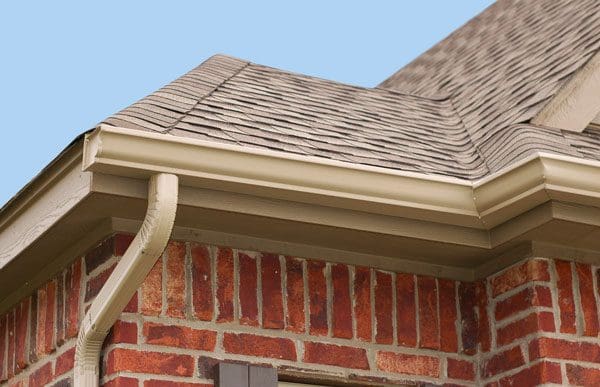
It starts as a fine yellow dust on your car—but for Maryland homeowners, the bigger concern is what happens when that same pollen settles on your roof and inside your gutters.
During the Mid-Atlantic spring, heavy pollen often mixes with leaves, dirt, and shingle granules. When light rain follows, this combination can form a dense organic buildup that holds moisture in place and interferes with proper drainage.
Over time, that trapped moisture can contribute to clogged gutters, algae growth, and premature wear along your roofline if it isn’t cleaned out.
Why Spring Buildup Can Impact Your Roof
While pollen alone isn’t harmful, the combination of pollen, debris, and standing water can create several issues for your roofing system:
Gutter Blockages and Overflow
Fine pollen settles into gutters and downspouts, where it mixes with leaves and dirt. This can slow water flow or create clogs—leading to overflow that may damage fascia boards, siding, and landscaping.
Moisture Retention Along the Roofline
When organic debris collects at the roof edge or in valleys, it can hold moisture against shingles longer than intended. Over time, this may contribute to premature aging of roofing materials or localized wood rot near the eaves.
A Breeding Ground for Algae and Moss
That organic buildup becomes a food source for common roof algae like Gloeocapsa magma, which causes the dark streaks you often see on shingles. Moss can also take hold in damp, debris-filled areas if left untreated.
Your Simple Spring Roof & Gutter Checklist
A little seasonal maintenance goes a long way in protecting your home:
1. Do a Post-Bloom Gutter Flush
Once the heavy yellow pollen drop has passed (typically late April or early May), rinse out your gutters with a standard garden hose to clear out fine debris before summer storms arrive.
2. Check Roof Valleys and Drainage Areas
Look for buildup where roof sections meet or where upper levels drain onto lower ones. These areas tend to collect debris and should be kept clear so water can flow freely.
3. Inspect Downspouts for Hidden Clogs
Pollen and debris often settle in downspout elbows. If your gutters overflow during rain but appear clear from above, a blockage in the vertical pipe is likely.
4. Avoid Pressure Washing Shingles
High-pressure washing can strip away protective granules and shorten the life of your roof. If needed, use a gentle rinse or have a professional perform a soft wash designed for roofing materials.
Don’t Let Spring Buildup Turn Into Summer Repairs
Built-up pollen and debris may seem harmless, but when moisture gets trapped in the wrong places, it can lead to avoidable roof and gutter issues over time. Staying ahead of seasonal buildup with proper cleaning and maintenance helps protect your roof’s lifespan and your home’s exterior. Take the first step toward a secure, reliable roof. Contact us today for a free, no-obligation estimate.
 Skip to content